
Portfolio
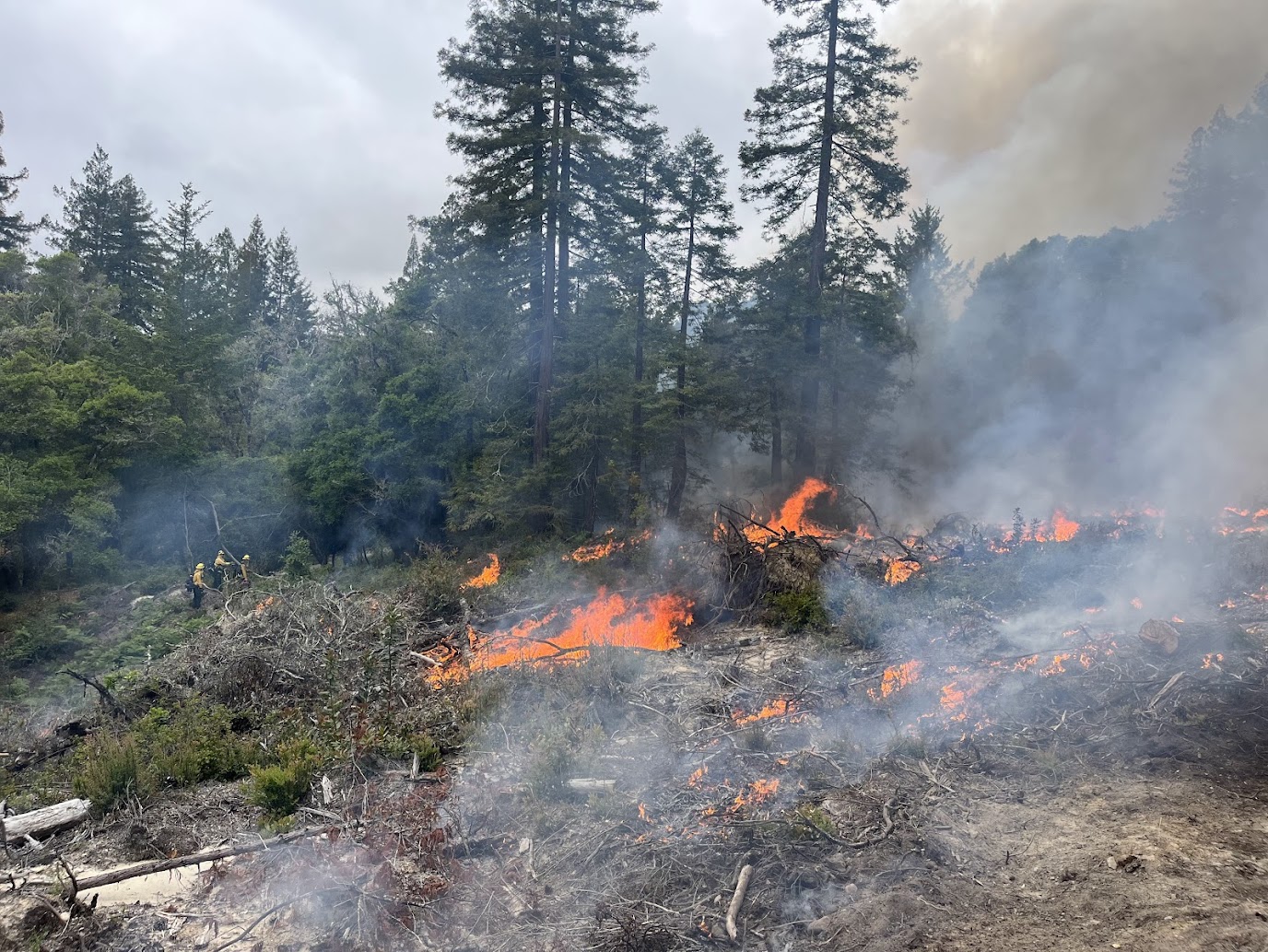
Redwood understory burn
Burning in the redwoods is a powerful and necessary tool for restoring forest health. Coast redwoods are naturally adapted to fire; their thick, fibrous bark insulates living tissue from heat, and many stands historically experienced frequent, low-intensity fire. These burns clear accumulated needles, downed branches, and dense understory growth that can otherwise feed high-severity wildfires. Carefully planned prescribed fire reduces hazardous fuels, recycles nutrients back into the soil, stimulates native plant regeneration, and improves wildlife habitat. When implemented under the right weather, fuel, and moisture conditions, good fire maintains open forest structure, protects large legacy trees, and strengthens long-term ecosystem resilience.